
Hikaru Nakamura is widely regarded as one of the greatest speed-chess players in history. In blitz and especially bullet — games with only a minute or two per side — his intuition, pattern recognition, and hand speed set him apart even among the world’s elite. Understanding his edge reveals what fast chess is really about.
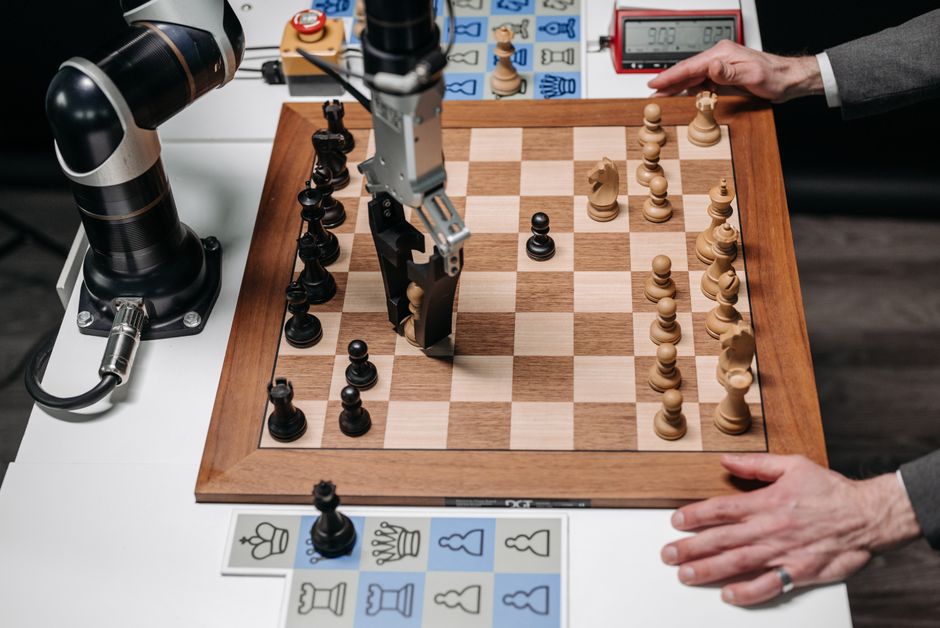
What speed chess demands
Fast chess strips away long calculation and rewards instinct. With seconds per move, players rely on recognizing patterns instantly rather than working out every line.
- Blitz: typically three to five minutes per side.
- Bullet: one or two minutes per side — pure reflex and intuition.
**In bullet, there is no time to calculate deeply; you play what you know, and Nakamura simply knows more patterns, faster.**
The skills behind his dominance
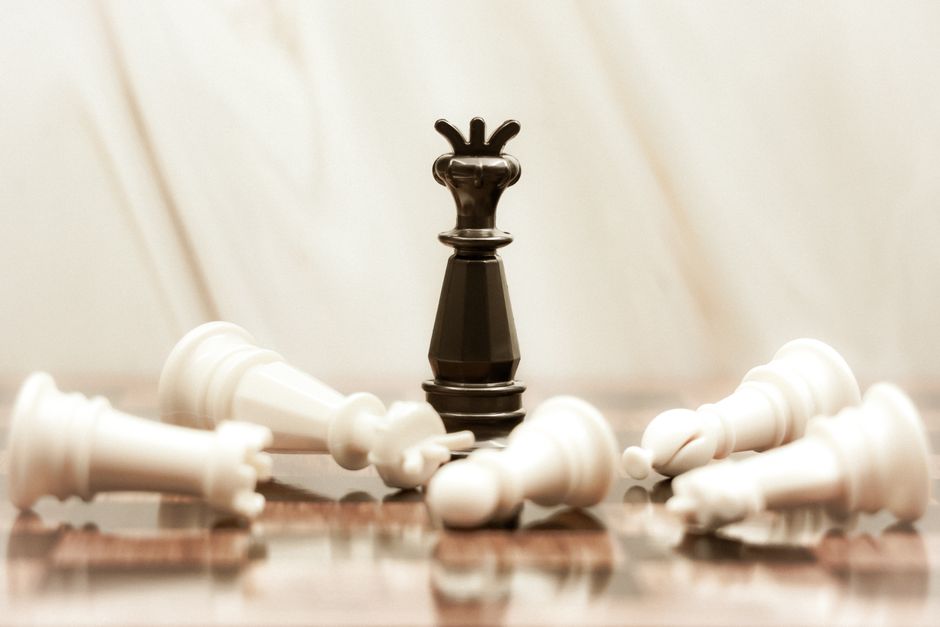
Nakamura’s speed advantage comes from a rare blend of abilities honed over decades of play.
| Skill | Why it wins fast games |
|---|---|
| Pattern recognition | Instant good moves without calculation |
| Intuition | Trusting the right move under pressure |
| Hand speed | More time saved on every move |
| Composure | No panic when the clock is low |
His enormous experience playing online means he has seen countless positions, so almost nothing surprises him.
Playing on the clock
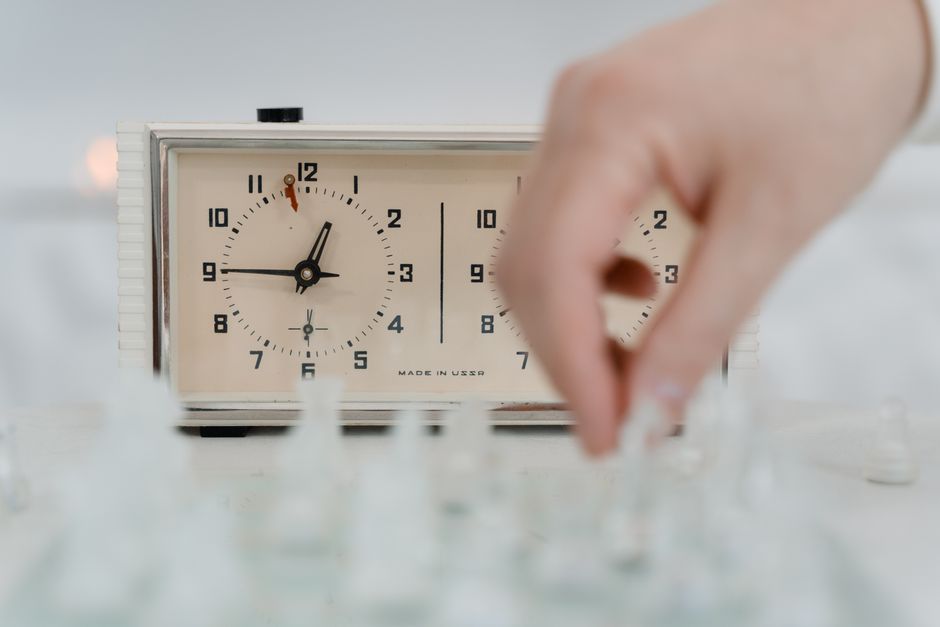
A huge part of speed chess is managing time as a resource. Nakamura is a master of "flagging" — winning on time by playing fast, sound moves and forcing opponents to burn their seconds. Even in worse positions, his speed can turn the clock into a weapon.
Lesson for fast play: in blitz and bullet, a good move played instantly often beats a great move played slowly. Practice making reasonable moves quickly rather than searching for perfection.
What it teaches the rest of us
You will not reach Nakamura’s level, but his approach offers practical tips: build pattern recognition through lots of games and puzzles, trust your intuition when the clock is short, and treat time as part of the fight.
Speed chess is not just fast — it is a different skill, and Nakamura is its greatest modern master. Watching him play is both entertaining and instructive, a live demonstration of how deep chess knowledge can be expressed in a matter of seconds.