
Chess began in northern India around the sixth century as a game called chaturanga, then spread through Persia and the Islamic world into Europe, where it slowly evolved into the game we play today. Its journey spans roughly 1,500 years and many cultures.
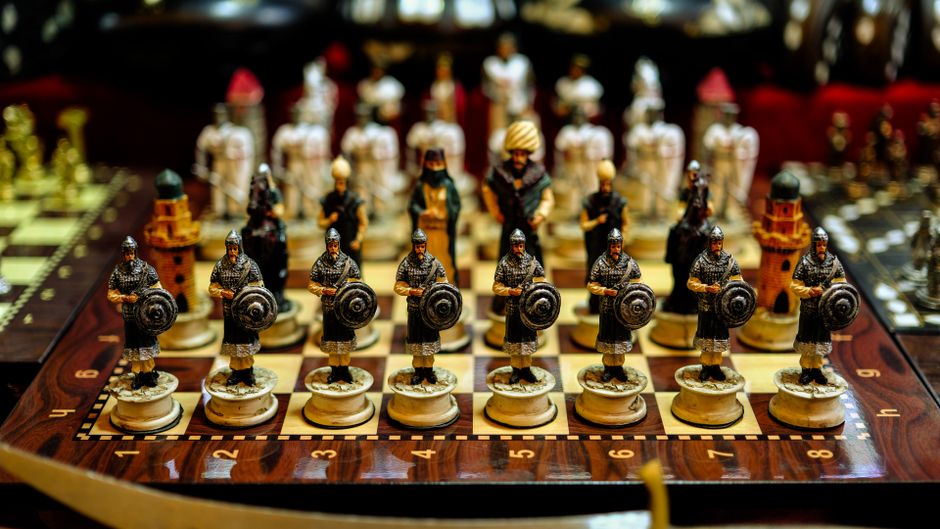
Indian origins: chaturanga
The earliest ancestor of chess was chaturanga, a game representing an army with four divisions — infantry, cavalry, elephants, and chariots. Those pieces became the pawn, knight, bishop, and rook. Even then, the game was about strategy rather than luck.
Through Persia and beyond
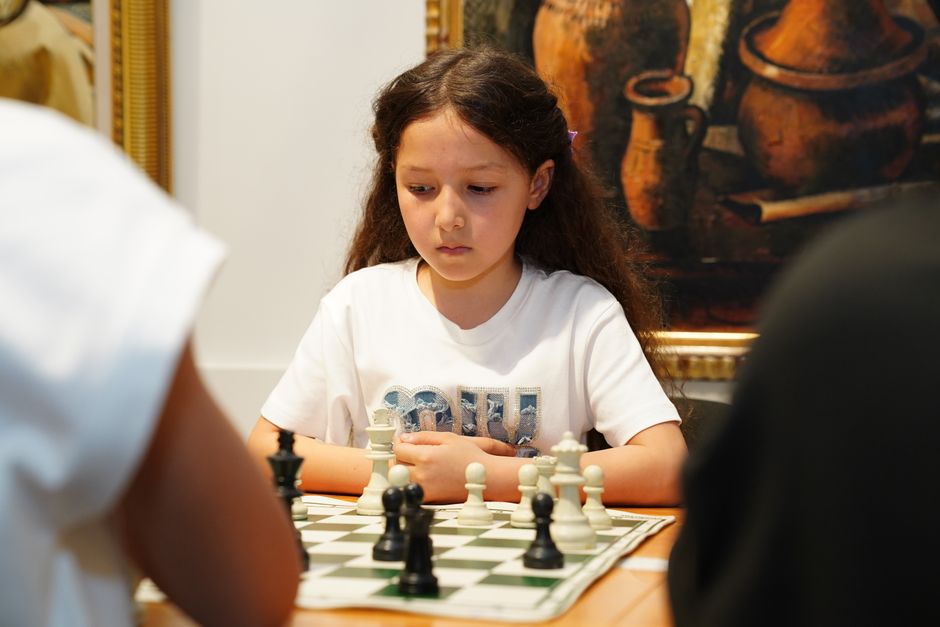
When the game reached Persia it became known as shatranj, and Persian players gave us lasting terms. The warning "check" comes from shah (king), and "checkmate" from shah mat — "the king is helpless." As Islamic empires expanded, shatranj traveled with them across the Middle East and North Africa.
Arrival in Europe
By around the year 1000, chess had reached Europe through trade and conquest. Over the following centuries the pieces were renamed to fit European society — the counselor became the queen, the elephant became the bishop.
| Old piece | Modern piece |
|---|---|
| Counselor (vizier) | Queen |
| Elephant | Bishop |
| Chariot | Rook |
| Horse | Knight |
The modern rules

The biggest change came in Europe around the 15th century, when the queen and bishop gained their powerful long-range moves. This "new chess" was far faster and more dynamic than shatranj, and it is essentially the game played worldwide today.
Fact: the powerful modern queen is a relatively recent invention. In the older game, that piece could move only one square at a time.
Into the modern era
Standardized rules, competitive tournaments, and the first official world champion arrived in the 1800s. The 20th century brought clocks, rating systems, and global organization, and the 21st brought computers and online play to hundreds of millions.
Why the story matters
Knowing where chess came from adds depth to every game. The pieces on your board carry 1,500 years of history — armies, empires, and cultures — distilled into 64 squares. That heritage is part of what makes chess feel timeless.